

MEDICINE
Many students dream of becoming doctors, but the medical journey can feel confusing when you don’t know how the course works. To make things clearer, here is an easy-to-understand explanation of the MBBS (MD) programme at Gruni. This blog breaks down what students learn, how the course is organised, and what kind of training is included.
1. How the Programme Is Structured
The MBBS programme is a 6 year course , where the final year is internship for students by working in hospitals. The program is taught in english, which helps international students to follow the lessons comfortably.
Students need to complete high school with physics, chemistry and biology and for indian students they must qualify NEET .
2. What Students Learn in the First Two Years
First part of the course focus on basic subject which every medical student need to understand. These subjects explain how a body works and what happens when someone fall ill.
The early subjects include:
- Anatomy: Learning about different body parts and how they are arranged.
- Physiology: Understanding how organs and systems like the heart, lungs, and kidneys function.
- Biochemistry: Studying the chemical processes inside the body.
- Pathology: Learning what changes happen in the body during diseases.
- Microbiology: Studying germs, infections, and how to prevent them.
- Pharmacology: Understanding medicines and how they work inside the body.
3. Learning About Community Health
In addition to the basic subjects, students also learn community and preventive medicine. This subject teaches how diseases spread in group of individuals, how to prevent the illnesses, and why the public health is important. It helps students understand not only individual patients but the health needs of whole communities.
4. Moving Into Clinical Subjects
From the third year onwards, students begin learning subjects that relate directly to patient care. These include:
- General Medicine – dealing with common illnesses.
- General Surgery – learning about operations and surgical care.
- Paediatrics – focusing on children’s health.
- Obstetrics and Gynaecology – studying pregnancy and women’s health.
- Psychiatry – understanding mental health conditions.
- Emergency Medicine – learning how to respond to urgent and life-threatening situations.
5. Gaining Real Experience Through Clinical Rotations
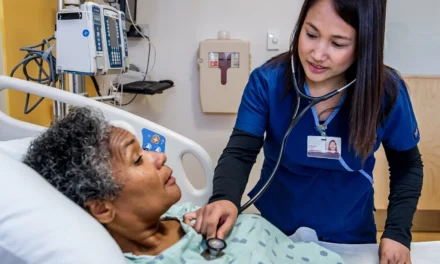
During this period, students spend time in real hospitals under the guidance of experienced doctors. This hands on training helps students gain confidence and prepares them for real medical practice.They learn how to:
- talk to patients,
- take medical histories,
- observe medical procedures,
- understand treatment plans, and
- work with other healthcare professionals.





Recent Comments